Handrail Railing Details Page
Overview
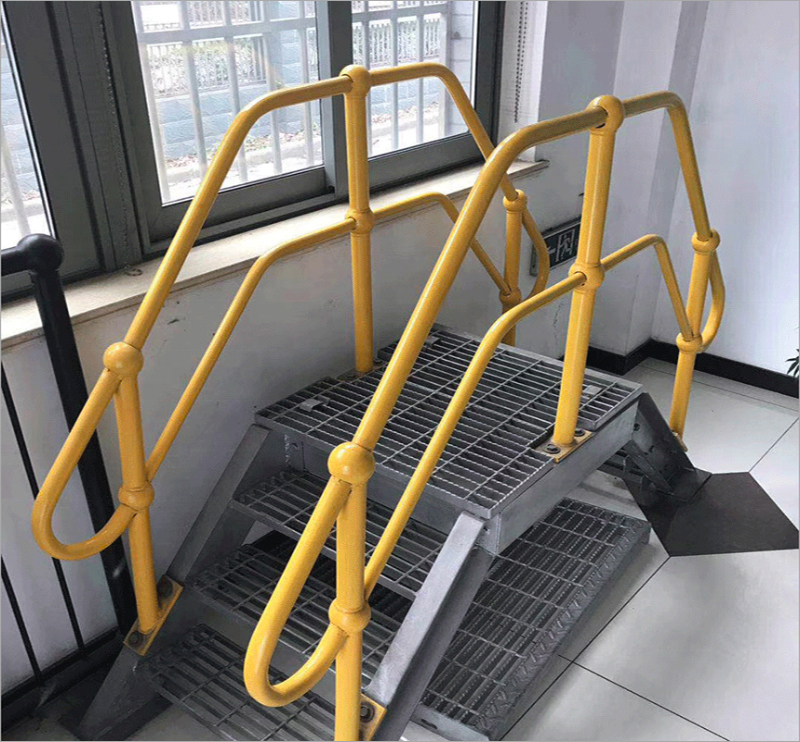
Handrail railings are essential safety features in both residential and commercial buildings. They provide support and stability for individuals using stairs, ramps, and walkways. This page details the various types, materials, benefits, and installation guidelines for handrail railings.

Types of Handrail Railings
- Straight Handrails: Simple, linear designs that run parallel to the staircase or walkway.
- Curved Handrails: Designed to follow the contour of a staircase or ramp, providing a seamless look.
- Wall-Mounted Handrails: Attached directly to the wall, ideal for tight spaces.
- Freestanding Handrails: Independent structures that do not require wall support, suitable for open areas.
- Glass Handrails: Use transparent panels for a modern look while maintaining safety.
Materials
- Wood: Offers a classic and warm appearance, commonly used in residential settings.
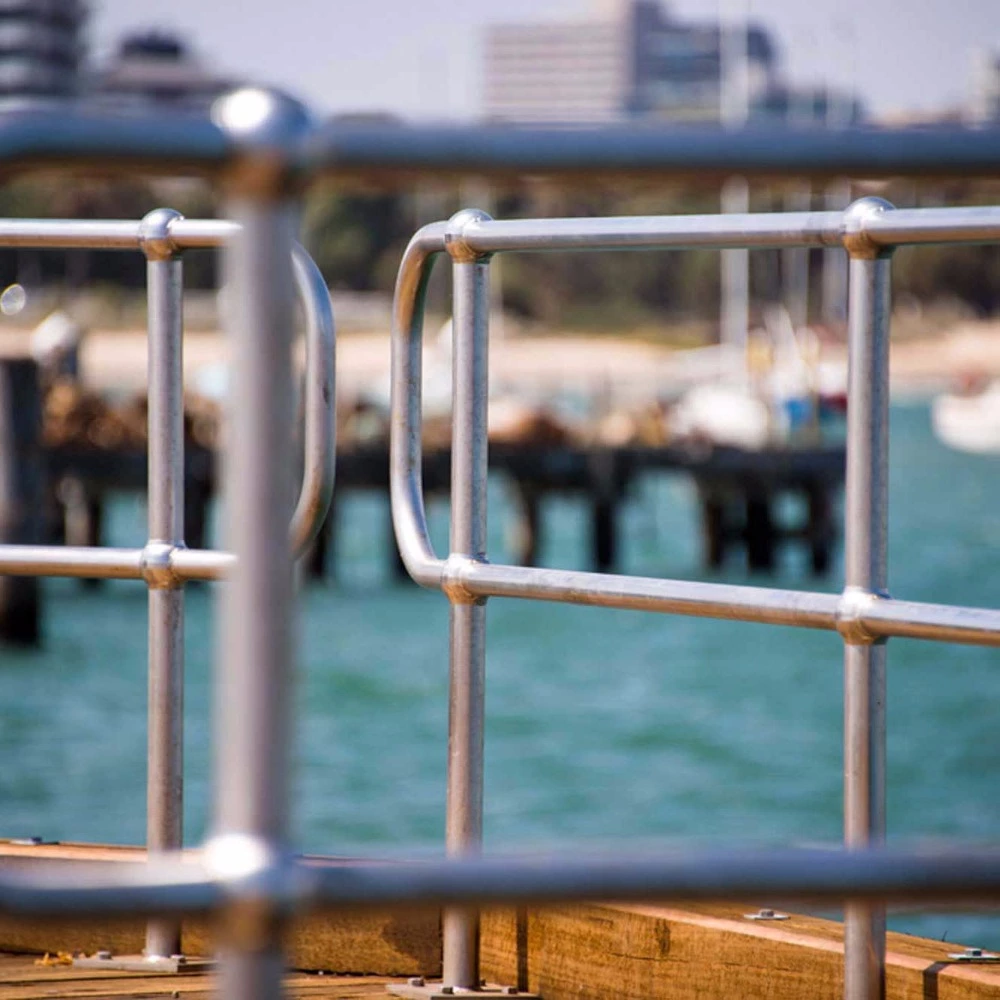
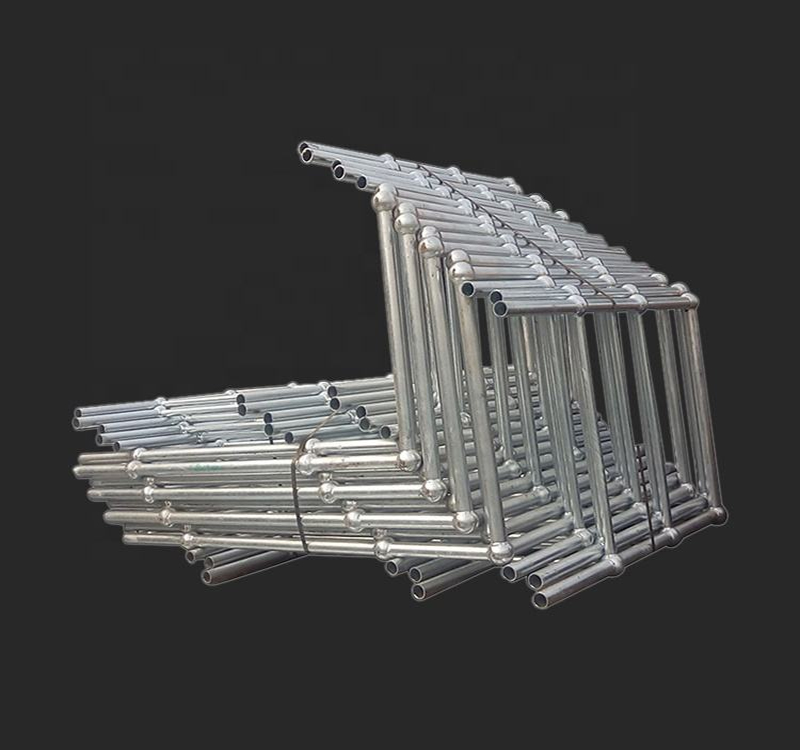
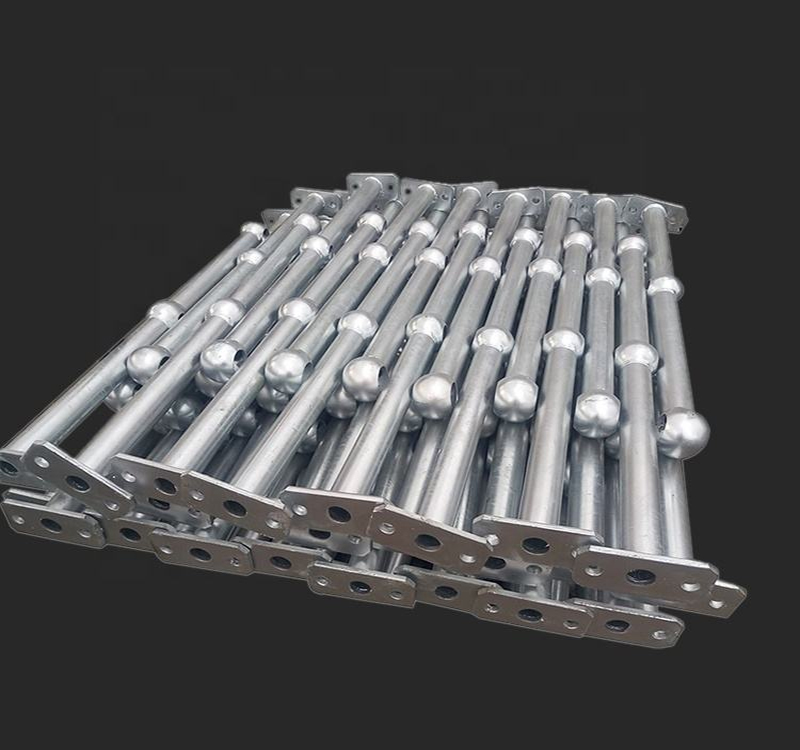
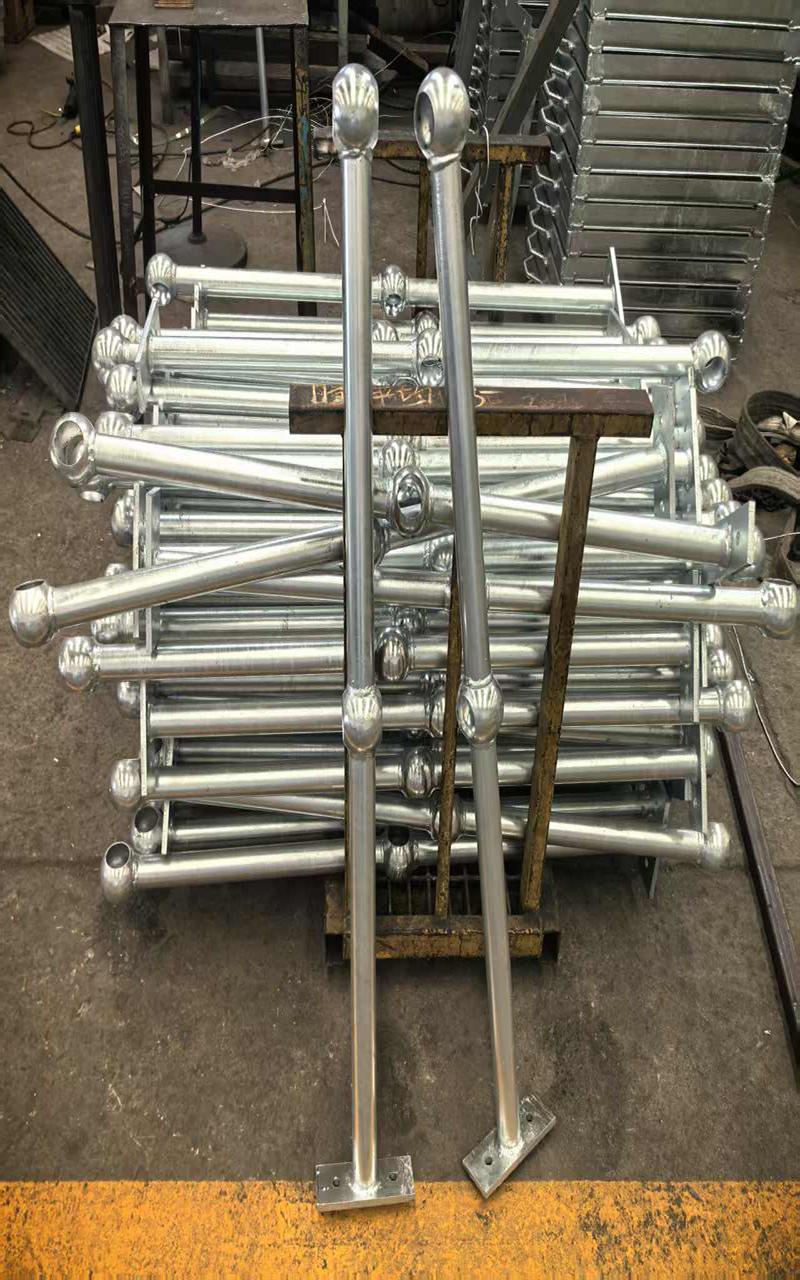
- Metal: Includes options like stainless steel, aluminum, and wrought iron, known for their durability and modern look.
- PVC: Lightweight and low-maintenance, ideal for outdoor applications.
- Glass: Provides an elegant and contemporary aesthetic, often used in upscale designs.

Benefits of Handrail Railings
- Safety: Crucial for preventing falls and providing support, especially for the elderly and children.
- Accessibility: Enhances mobility for individuals with disabilities or limited mobility.
- Aesthetic Appeal: Available in various styles and finishes to complement the overall design of a space.
- Durability: Built to withstand heavy use and environmental factors, ensuring long-term performance.
- Value Addition: Increases the overall value of a property by enhancing safety and design.
Installation Guidelines
- Planning: Assess the area and determine the appropriate height and style for the handrail.
- Measurements: Measure the length and angle of the staircase or walkway accurately.
- Material Preparation: Cut the handrail to size and prepare any mounting brackets or supports.
- Attachment: Securely fasten the handrail to the wall or posts using appropriate hardware.
- Finishing Touches: Inspect the installation for stability and make adjustments as needed.
Conclusion
Handrail railings are vital for ensuring safety and accessibility in any building. With a variety of materials and designs available, they can enhance both functionality and aesthetics. For more information or to discuss your specific requirements, please contact us.