Steel Structure Details Page
Overview
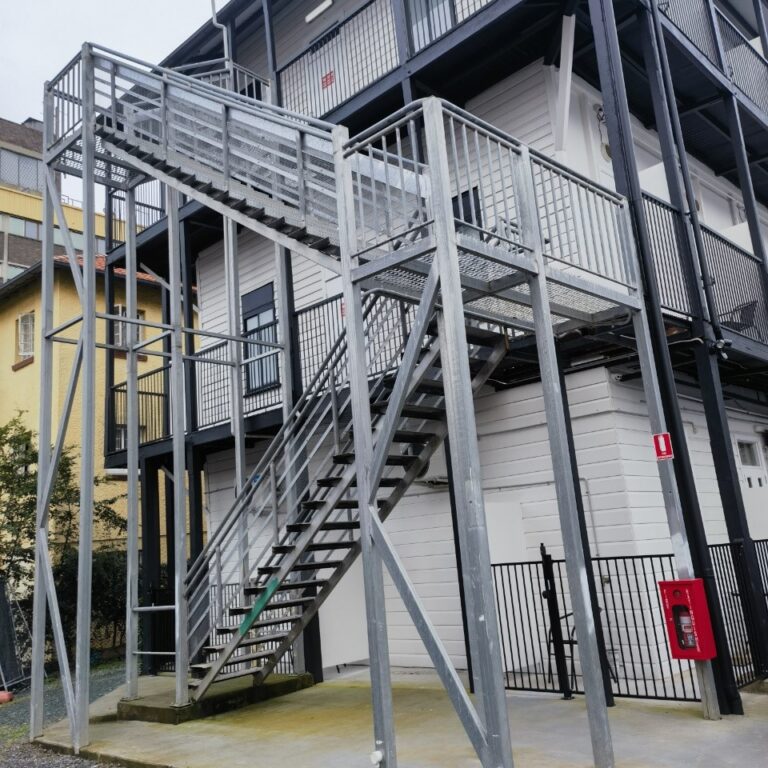
Steel structures are integral components in modern construction, known for their strength, durability, and versatility. They are widely used in various applications, including residential, commercial, and industrial buildings. This page provides detailed information about steel structures, including their benefits, types, design considerations, and applications.

Benefits of Steel Structures
- High Strength-to-Weight Ratio: Steel offers exceptional strength while being lightweight, making it ideal for large spans and tall buildings.
- Durability: Resistant to many environmental factors, including corrosion and extreme weather conditions.
- Flexibility in Design: Allows for innovative architectural designs and configurations.
- Speed of Construction: Prefabricated steel components can be quickly assembled on-site, reducing construction time.
- Sustainability: Steel is recyclable and can be reused, contributing to environmentally friendly construction practices.

Types of Steel Structures
- Frame Structures: Composed of vertical and horizontal members, providing support for floors and roofs.
- Truss Structures: Utilizes triangular units to distribute loads, commonly used in bridges and large roofs.
- Shell Structures: Curved surfaces that provide structural integrity while minimizing material use.
- Hybrid Structures: Combines steel with other materials (e.g., concrete) for enhanced performance.
Design Considerations
- Load Analysis: Assessing the loads (dead, live, wind, seismic) that the structure will encounter.
- Material Selection: Choosing the appropriate grade of steel based on strength and environmental conditions.
- Connections: Designing connections (welds, bolts) to ensure structural integrity and stability.
- Building Codes: Compliance with local and international building regulations and standards.
Applications
- Commercial Buildings: Office towers, shopping malls, and warehouses.
- Industrial Facilities: Factories, power plants, and logistics centers.
- Infrastructure: Bridges, stadiums, and transportation hubs.
- Residential Projects: Modern homes and multi-family units.

Construction Process
- Planning and Design: Collaborating with architects and engineers to create detailed plans.
- Fabrication: Off-site manufacturing of steel components according to specifications.
- Transportation: Delivering fabricated components to the construction site.
- Assembly: Erecting the structure using cranes and skilled labor.
- Finishing: Applying protective coatings and completing interior and exterior work.
Conclusion
Steel structures are a cornerstone of modern architecture and construction, offering unmatched strength, versatility, and sustainability. For more information or to discuss your project requirements, please contact us.