Staircase Details Page
Overview
A staircase is a crucial architectural feature that provides access between different levels of a building. It combines functionality with aesthetic appeal, making it an essential element in residential, commercial, and public spaces. This page outlines the key aspects of staircases, including their types, materials, design considerations, and safety features.
Types of Staircases
- Straight Staircase: The simplest design, featuring a straight run of steps.
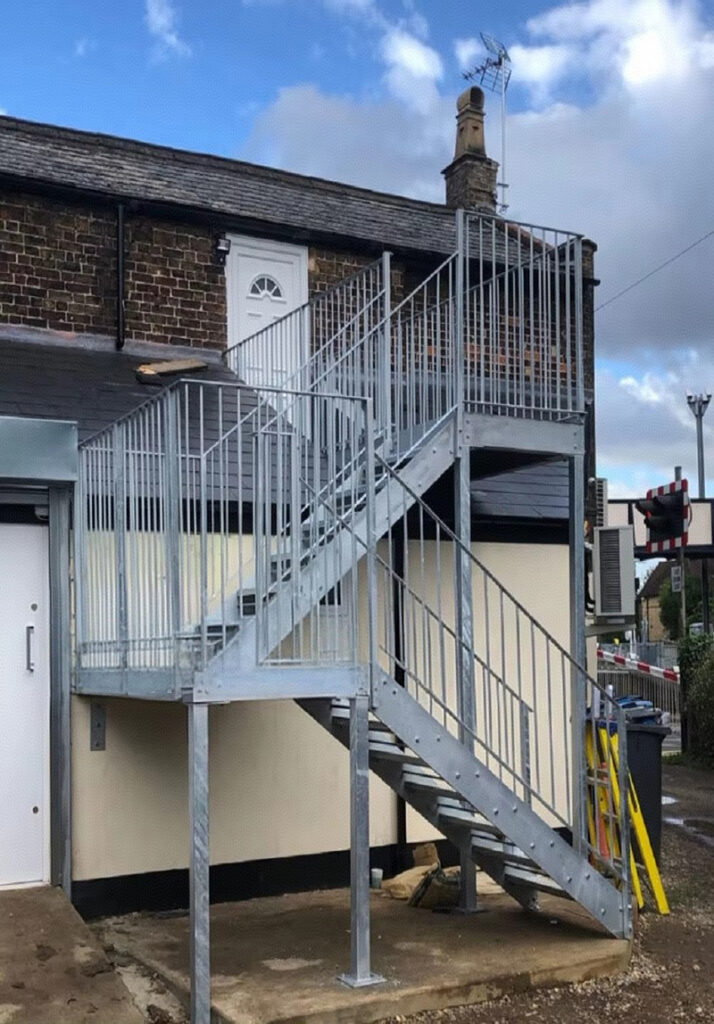
- L-Shaped Staircase: Includes a landing and a change in direction, creating an L-shape.
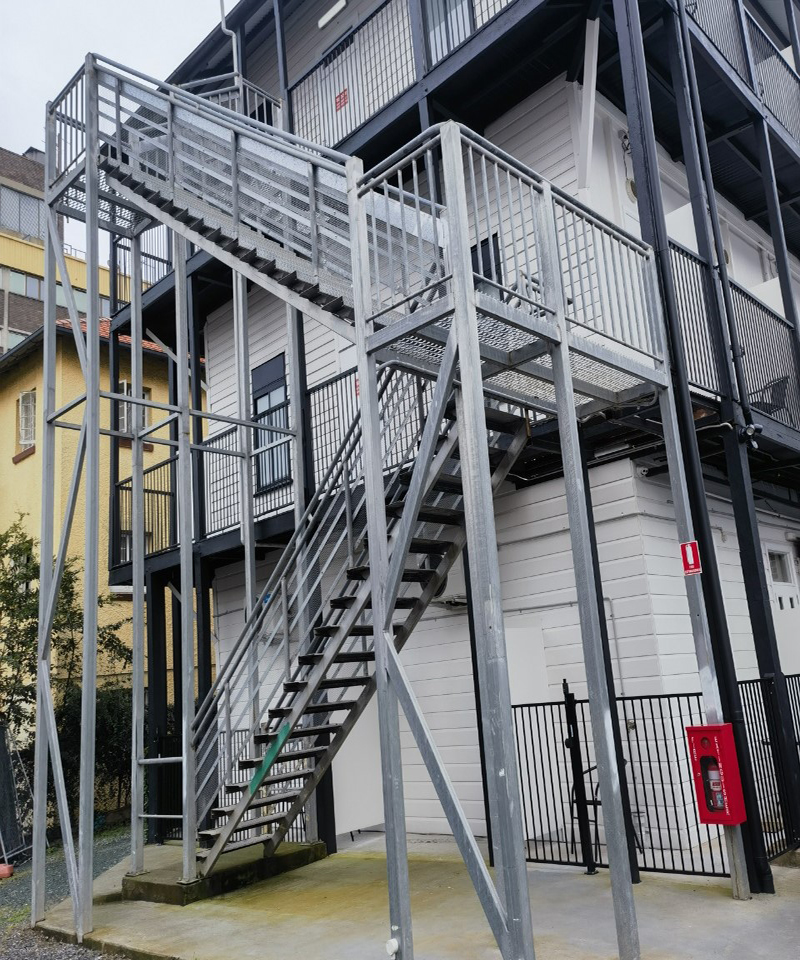
- U-Shaped Staircase: Features two parallel flights of stairs connected by a landing, forming a U-shape.
- Spiral Staircase: A compact design that curves around a central pole, ideal for limited spaces.
- Floating Staircase: Offers a modern look with treads that appear to “float” without visible support.
Materials
- Wood: Classic and warm, suitable for residential settings.
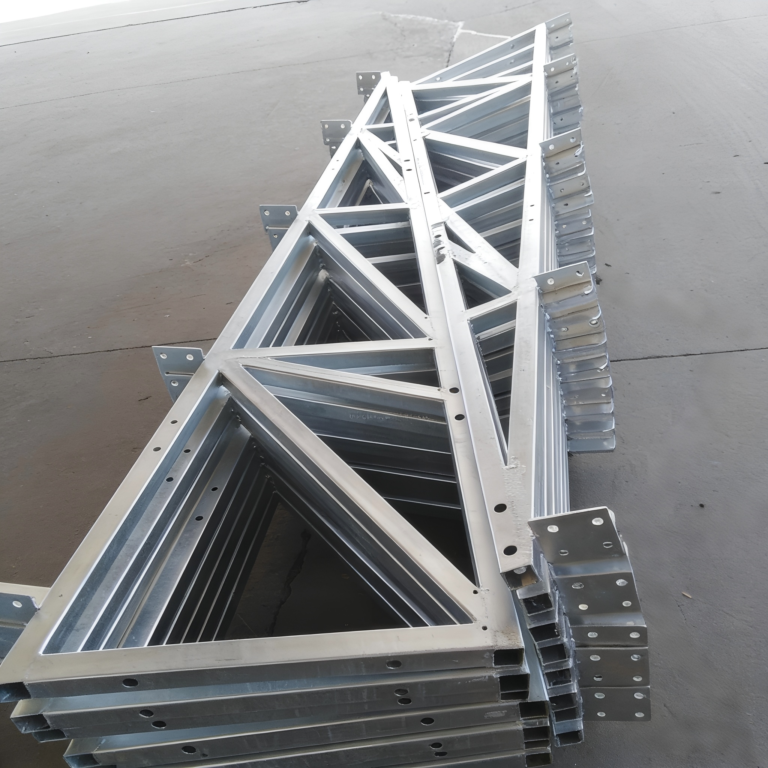
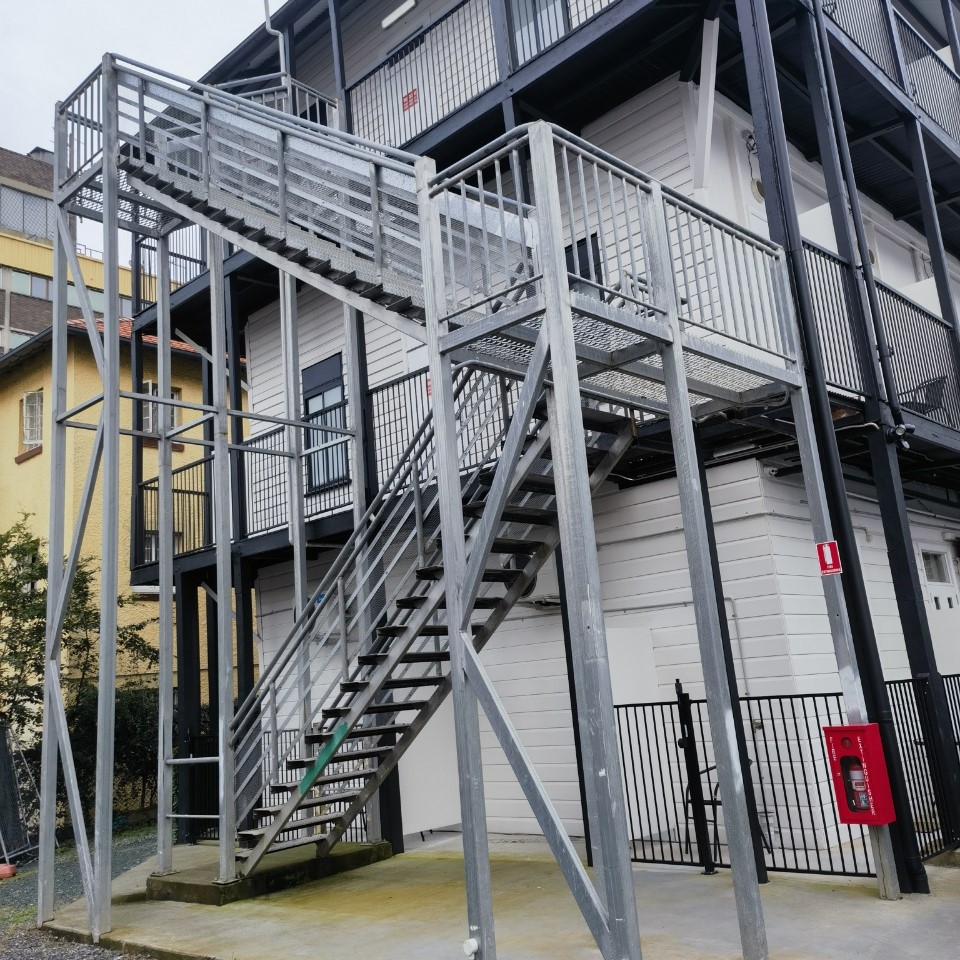
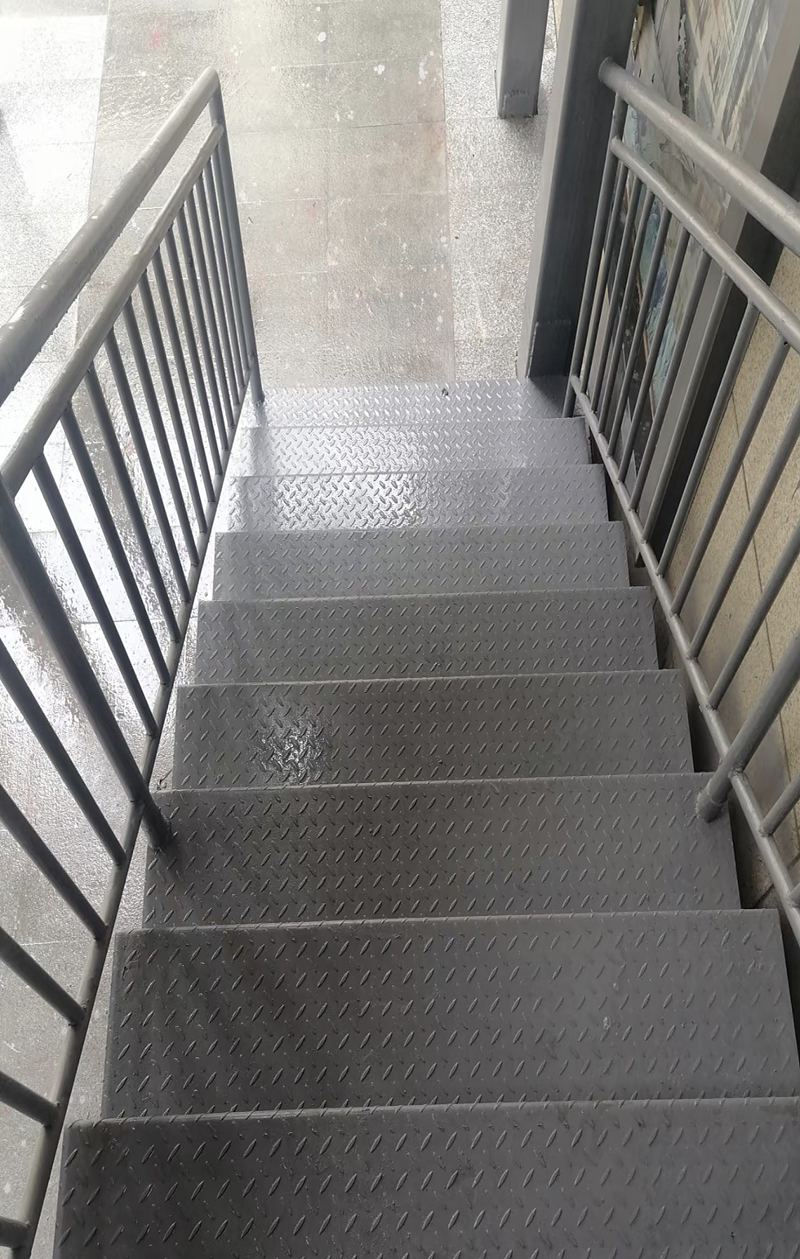
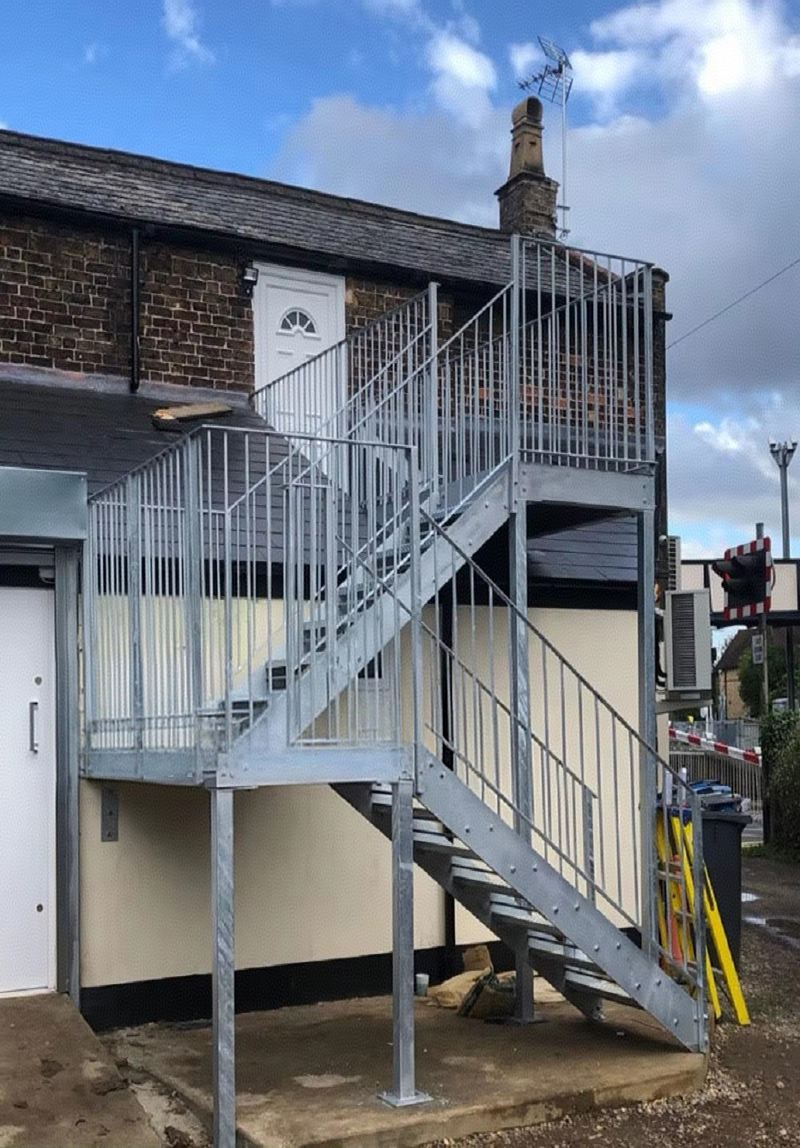
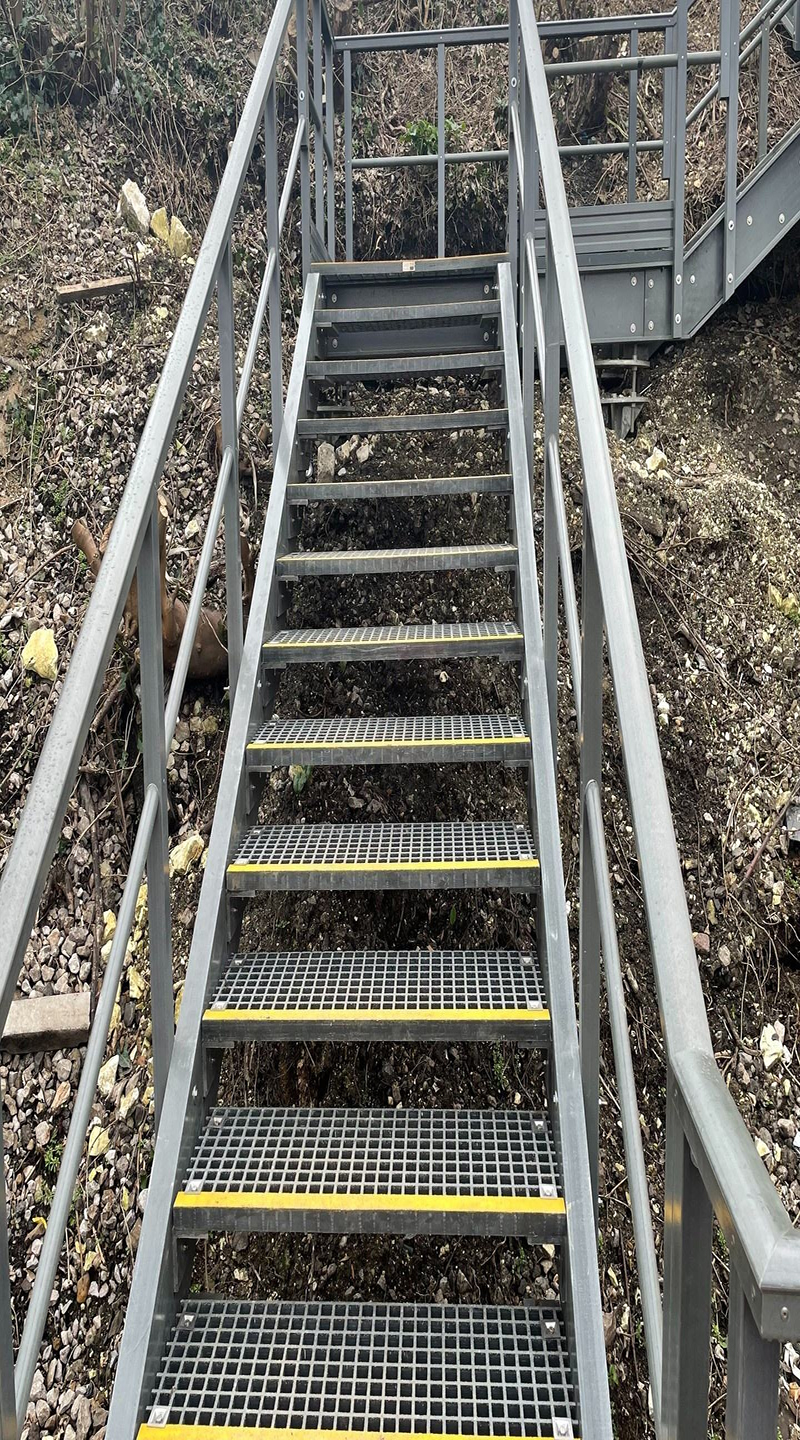
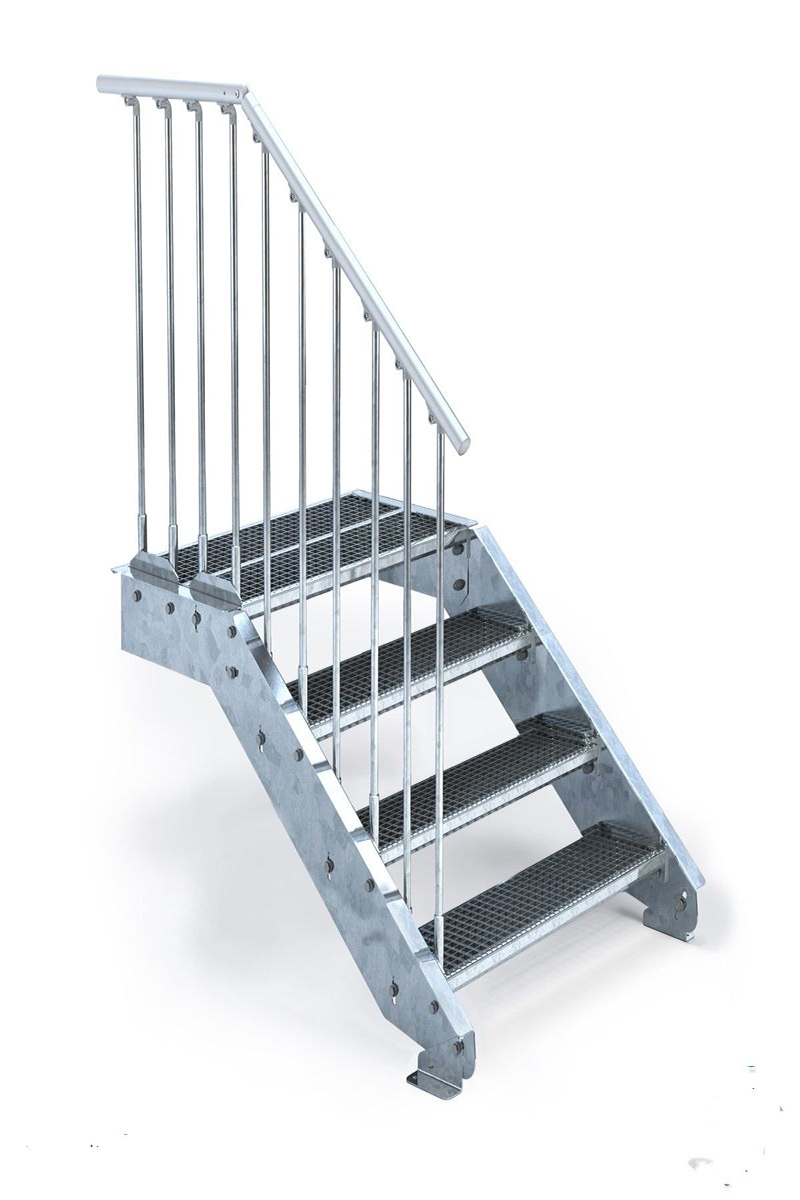
- Metal: Durable and modern, often used in commercial applications.
- Concrete: Strong and versatile, ideal for outdoor and industrial use.
- Glass: Provides a contemporary look and allows light to flow through.
Design Considerations
- Height and Rise: The total height of the staircase and the rise of each step should comply with building codes.
- Tread Depth: Adequate tread depth ensures comfort and safety when ascending or descending.
- Handrails: Essential for safety, handrails should be installed at a comfortable height.
- Landings: Properly sized landings enhance safety and accessibility.
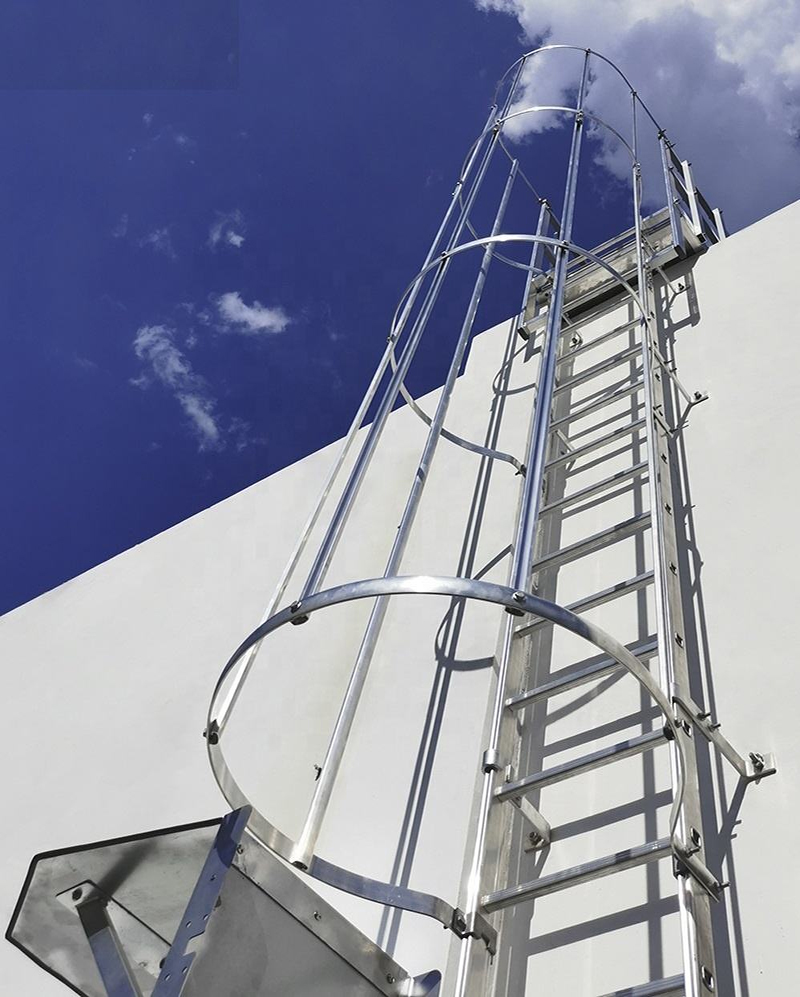
Safety Features
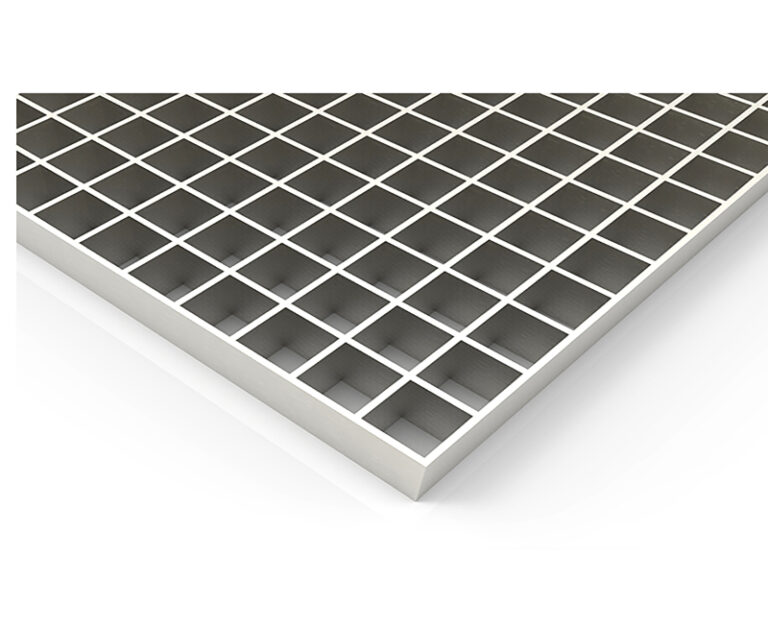
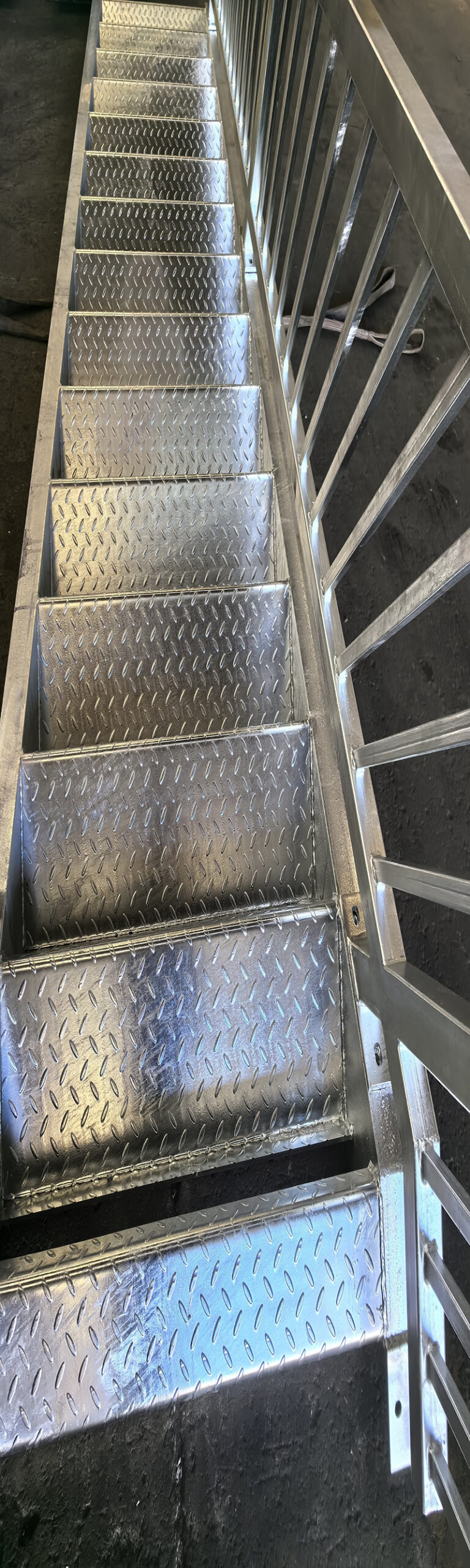
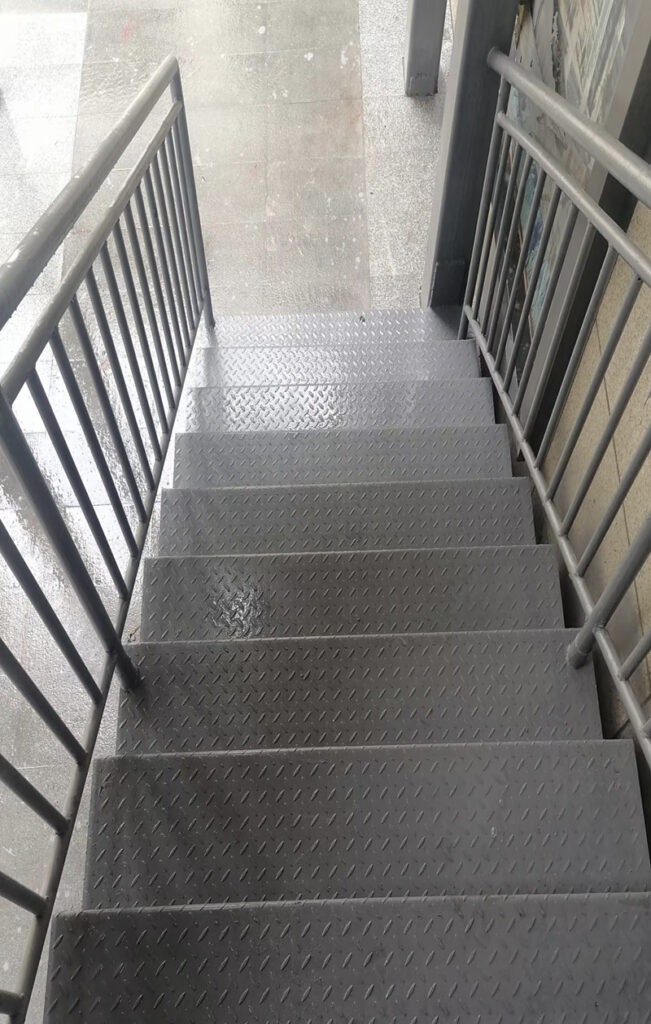
- Non-Slip Treads: Textured surfaces help prevent slipping.
- Lighting: Adequate lighting is crucial for visibility.
- Guardrails: Installed on open sides to prevent falls.
- Signage: Clear signage can guide users, especially in public buildings.
Installation Guidelines
- Planning: Assess the space and determine the best design and materials.
- Building Codes: Ensure compliance with local building regulations.
- Construction: Follow proper construction techniques for stability and safety.
- Finishing: Apply finishes and treatments to enhance durability and aesthetics.
Conclusion
A well-designed staircase not only provides functionality but also enhances the overall aesthetic of a space. Whether for residential or commercial use, careful consideration of design, materials, and safety features is essential. For more information or to discuss your staircase project, please contact us.